Public involvement throughout the planning process engaged community members who live within the MMT operating area and larger Metropolitan Planning area of the Pikes Peak region. Engagement spanned both the 2050 Regional Transit and Specialized Transportation plans, while also targeting specific audiences of stakeholders, including current transit riders, human services transportation providers, and community and social services organizations.
Current Transit Riders
Existing ridership helped inform current uses of transit and the specialized system, and how riders’ experiences can be improved. The information gathered from conversations and engagements with this population helped to inform recommendations that would address current and future community mobility needs.
Specialized and Human Services Transportation Providers
Specialized and human services transportation providers are an important audience due to their role in providing local transportation options. Providers were engaged as an operational group to understand their experiences and challenges with providing services to the necessary transit dependent populations. In addition, a feedback loop was created to provide feedback and conversations between riders and providers.
Community Based and Social Services Organizations
Community based and social services organizations were engaged to provide their feedback and to partner with MMT. Community leaders helped to share information with their constituents and promote upcoming engagement and feedback opportunities. In addition to key audiences, the project team engaged the broader public, jurisdictions, businesses, military installations, and community organizations within the planning area.ge Transportation Plan (LRTP). Each plan will be incorporated as a chapter within the final document. PPACG leads this effort in close coordination with MMT.
Stakeholder Advisory Committees
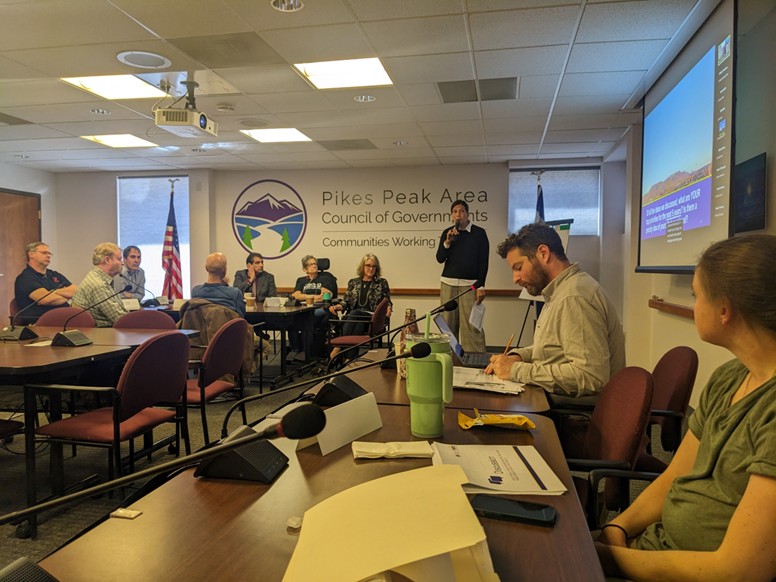
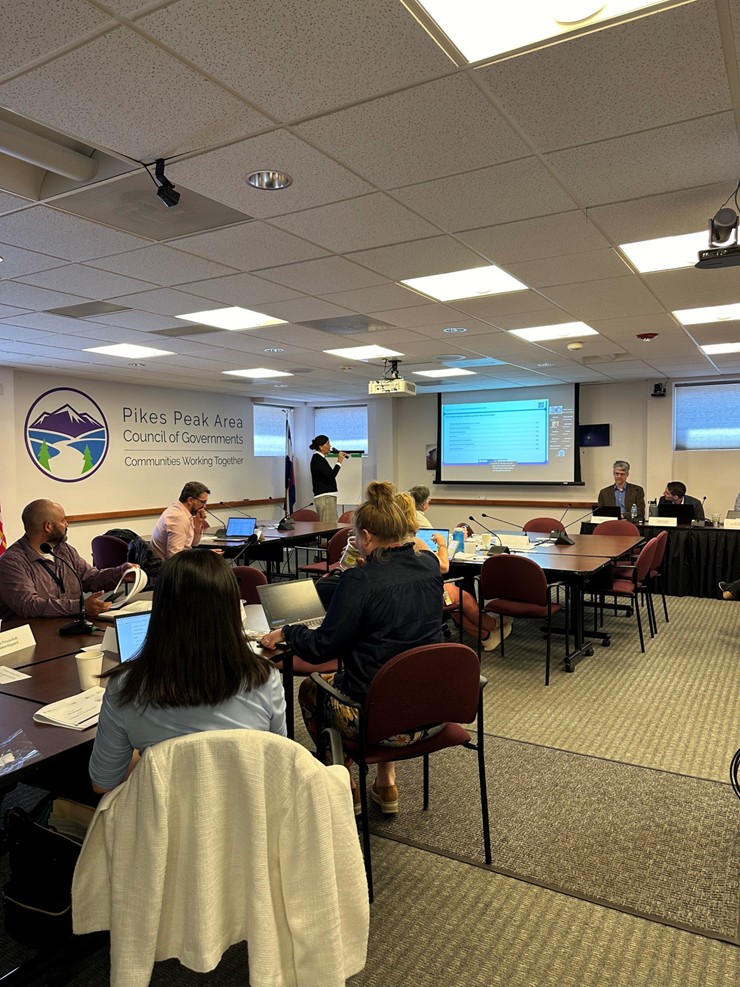
Pictures from the in-person Stakeholder Advisory Committee meetings on Thursday, April 9, 2024.